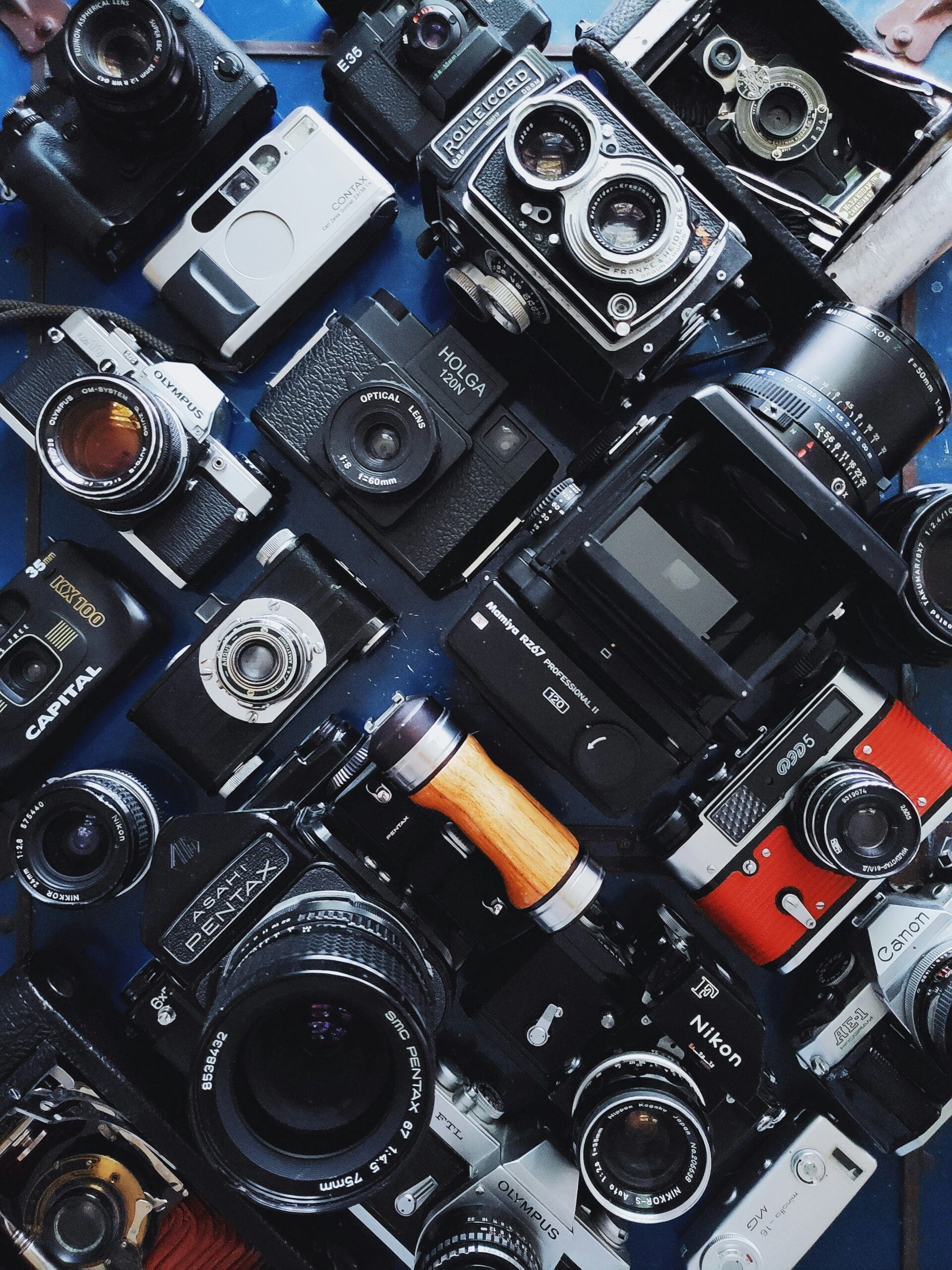
Images are one of the most powerful tools on a website and, in the hands of most small businesses, one of the most squandered. Either they are an afterthought, dropped in to fill white space once the copy is done, or they are approached as a purely aesthetic decision, chosen because they look nice rather than because they do a job.
Good website images are not just decorative. They communicate tone, build trust, establish credibility, and guide attention. The wrong ones can quietly undermine a site that is otherwise well-designed and well-written. Here is a framework for making better choices.
Ask what each image needs to communicate
Before you search for or commission any image, ask a single question: what does this image need to make the visitor feel or understand? Not “what looks good here” but “what is the job of this image on this page at this point in the visitor’s journey?”
A hero image on a service business website needs to establish a feeling quickly, usually warmth, confidence, or credibility, depending on the nature of the business. A product image needs to communicate quality, scale, texture, and desirability. An about page image needs to introduce a person in a way that feels genuine rather than staged. Each of these is a different job, and a different image serves each one. Treating all website images as interchangeable is where most businesses go wrong.
The honest case against stock photography
Stock photography is not inherently wrong. There are good stock libraries, and there are circumstances where a well-chosen stock image does its job perfectly well. But there is a category of stock photography so ubiquitous that it has become almost invisible to anyone who has spent time on the internet: the smiling team meeting, the person pointing at a whiteboard, the handshake over a conference table.
These images have been seen so many times that they no longer register as communication; they register as filler. Worse, they actively undermine trust on certain types of pages, particularly about pages and team pages, where the presence of obvious stock photography implies that the real people behind the business either do not exist or are not confident enough to show themselves. Authenticity converts. A slightly imperfect real photograph of a real workspace will, in most cases, outperform a polished stock image that could belong to any business.
Consistency is more important than individual quality
One of the most common image problems on small business websites is inconsistency: a mix of photography styles, colour temperatures, and compositional approaches that gives the site a cobbled-together feel even when each individual image is reasonably good.
When choosing or commissioning images, think about them as a set rather than individually. Do they share a colour palette or temperature? Is the lighting consistent? Do they feel as though they come from the same world? A website where every image looks like it was taken by a different person in a different decade communicates carelessness, however unintentionally. Consistency signals that someone has thought about the whole experience.
Practical guidance by image type
Hero images: should establish the tone of the whole site immediately. Bold, high-quality, and relevant to the offer. Avoid anything too busy or with too much visual information; the image will usually have text on top of it, and it needs to support that text rather than compete with it.
Service and portfolio images: should show outcomes, not just processes. A photograph of a finished website on a screen is more compelling than a photograph of someone typing. Where possible, show the result in context.
Team and about page images: should be real photographs of real people. Approachable, genuine, and consistent in style. If budget allows, a professional shoot is worth the investment. If not, a well-lit photograph taken on a decent phone in a tidy space is infinitely better than a stock image.
Background and decorative images: should not distract. Their job is to add texture or visual interest without pulling attention away from the content. When in doubt, less is more.
A word on image size and performance
Beautiful images that take four seconds to load are worse than average images that load instantly. Page speed is a significant factor in both user experience and search engine rankings, and large unoptimised images are one of the most common causes of slow websites.
Every image on your website should be exported at the appropriate size for its intended use, compressed without visible quality loss, and served in a modern format where possible. This is a technical detail, but it is worth raising with your designer or developer, because a website that is visually strong but technically slow is losing visitors before they have had a chance to see it.
Choosing and preparing images for a new website is something we help clients with as part of our design process. Book a free discovery call to find out more about how we work.
Leave a Reply Cancel reply
@ 2025 copyrighted | eleven eleven studio is a trading name of eleven eleven creative ltd
@ 2026 copyrighted | eleven eleven studio is a trading name of eleven eleven creative ltd
home
our work
journal
contact
services
terms + conditions
privacy policy
home
our work
journal
contact
services
[email protected]
